The sound of trickling water, sometimes so soothing, but in this case somewhat maddening. “Where is that coming from?”, I thought as I inspected the Alder branches I had carefully woven through posts across a small stream in the shadow of Mt. Rainier. As I carefully stuffed grass and leaves into the cracks in my little dam, the trickle slowed and the water began to back up. Satisfied with my progress, I looked at my watch. More than an hour had passed since I started. In a flow state, I’d been weaving and stuffing with a single minded intensity, channeling my inner beaver.
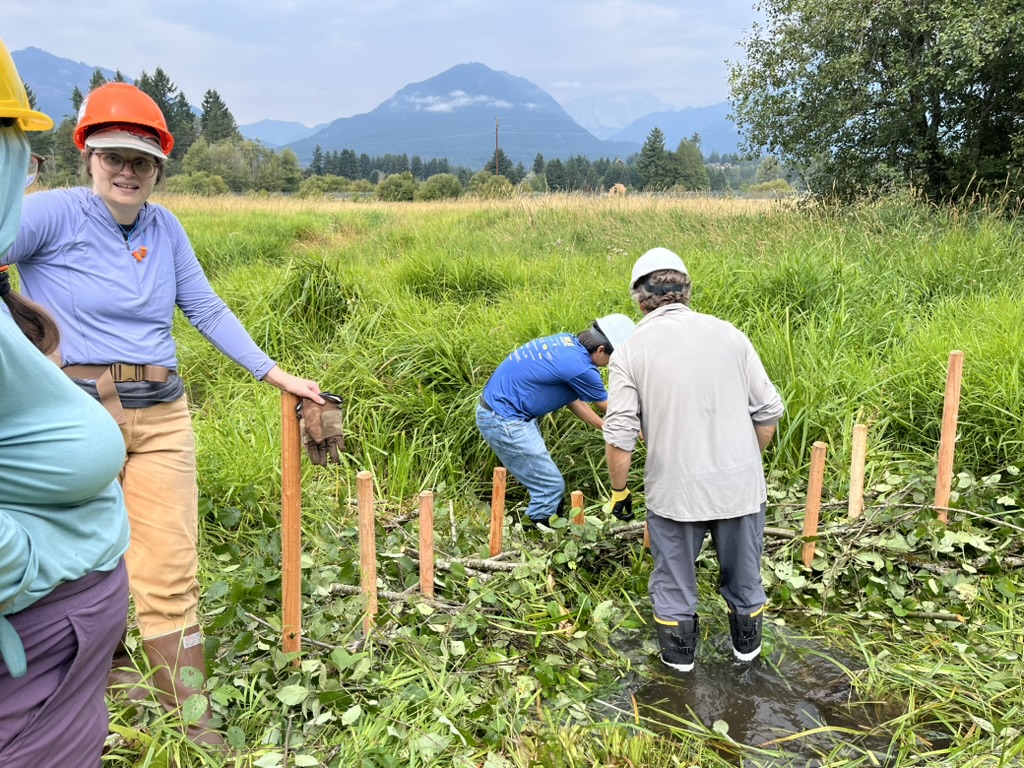
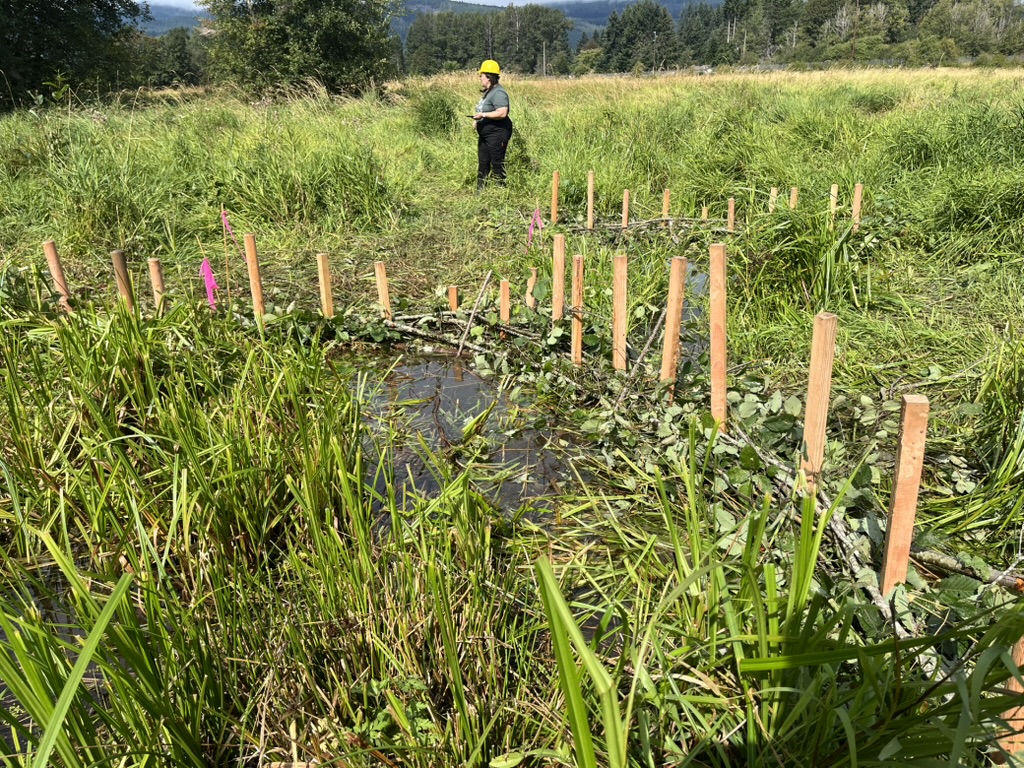
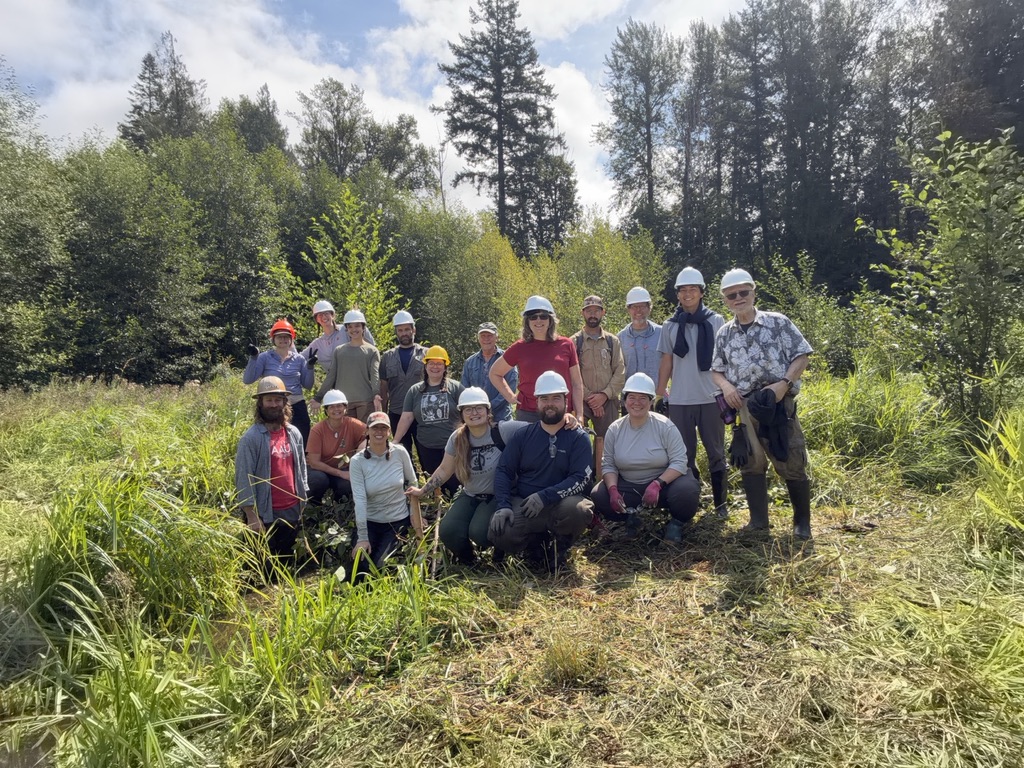
This task wasn’t all for fun, although it was that. It was part of a project building structures known as Beaver Dam Analogs (BDAs). I joined 15 other volunteers for a weekend trip organized by Cascade Forest Conservancy to build these structures on a tributary of Hall Creek near Packwood, Washington. The idea with the BDAs is to create complexity in the stream that slows the water down. This spreads it across the landscape, and hopefully creates enough standing water to entice beavers to move in and build real dams, or improve on our crude, by beaver standards, structures. Once beavers are established, they will then impart all of the benefits to the surrounding landscape that they are known for including wildfire resistance, improved habitat for the salmon that run in these streams, and water quality improvement.
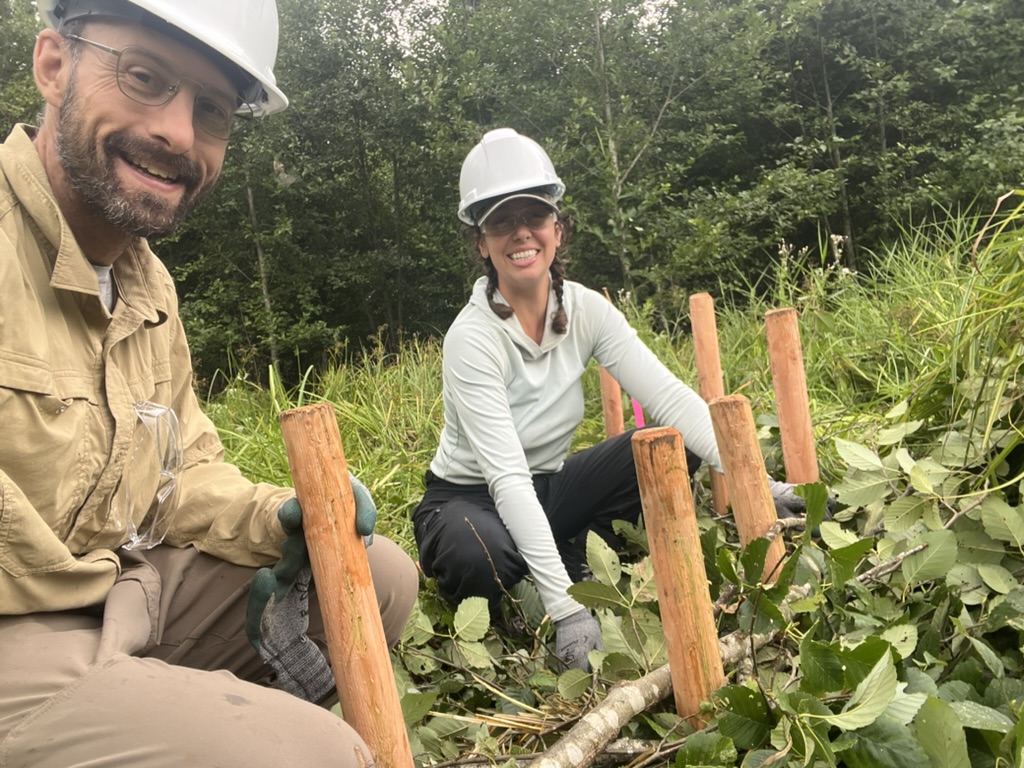
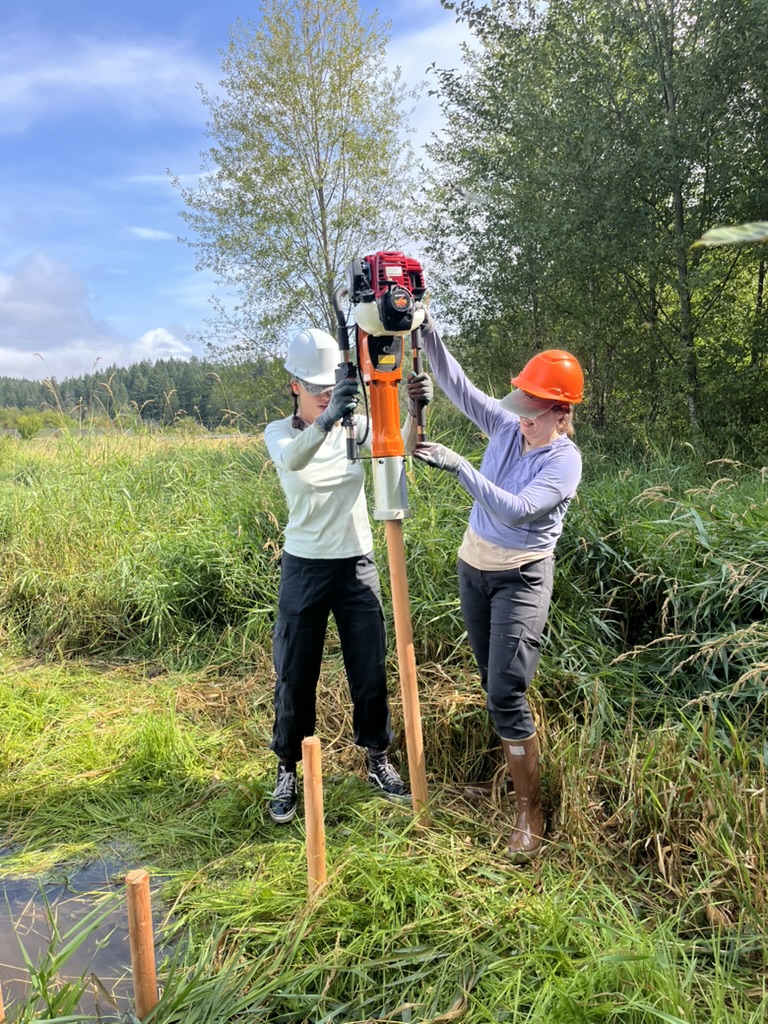
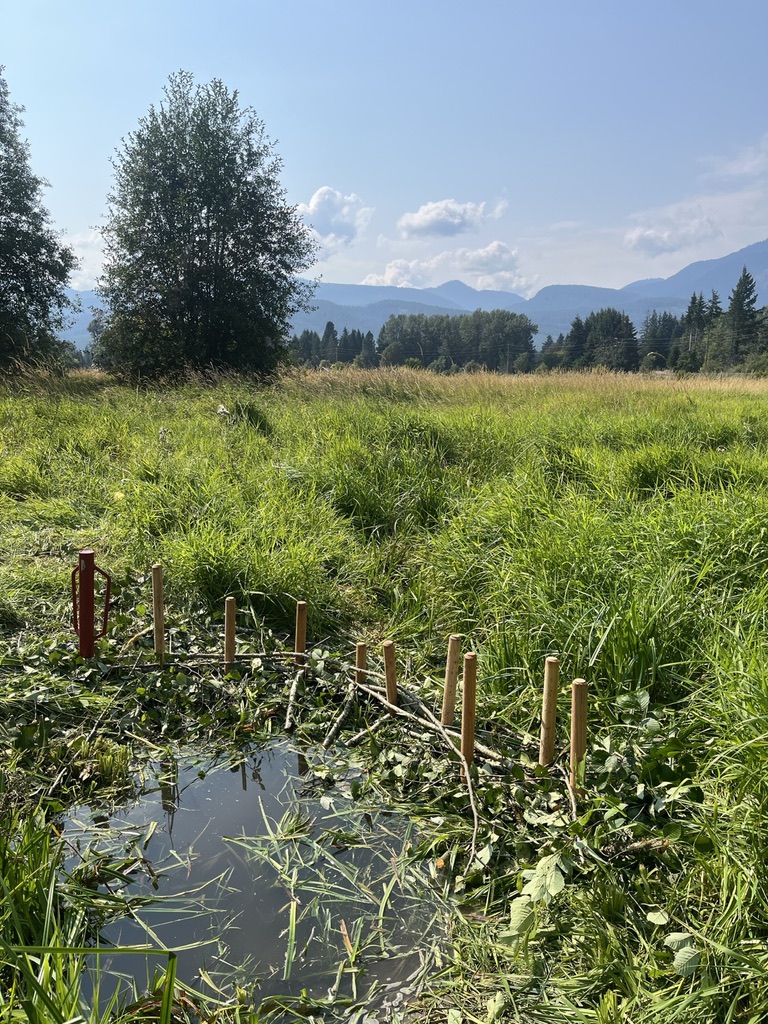
The work involved two main steps. Driving vertical posts into the stream bed and up either side a few feet. Then, slash material that had been gathered was weaved between the posts to create the structure. The material was mostly small Alder branches that we trimmed from nearby trees. It sounds simple, but water is crafty. It will wind its way through any tiny gap, leading all of us to search for those little holes for hours as we constructed more than a dozen BDAs over the course of the weekend. I think I heard trickling water in my dreams for a week afterwards.
That sound of trickling water that worked its way into my subconscious just as it worked its way through my dam, is also what motivates beavers. Studies have shown that beavers will instinctively start piling mud and sticks if they hear the sound of water in a speaker, even if there is no actual running water. I now understand just a bit more about beaver psychology having experienced this same phenomenon myself.
The work was hard, but we also got some enjoyable downtime. We were close enough to the tiny town of Packwood that we were able to walk to a nearby brewery where we ate, drank, and nerded out on all things beaver and wetland ecology. A powerful thunderstorm rolled in our first evening out with raucous thunder and torrential rain. After the storm, the resident elk herd wandered into the meadows surrounding our camp and we were treated to the sight of frolicking calves and adults standing on hind legs to pick apples off of trees in an old orchard. I’ve seen a fair number of elk in my day, but I’ve never seen them do anything quite like that.
As with my previous habitat restoration work, this trip was a rewarding way to spend a weekend. The immediate work itself was satisfying. Being outside, working with my hands, getting into a flow state building the BDAs, and seeing the immediate effects in the form of pooled water and expanding wetlands. Beyond those immediate rewards, there is the future impact on this little corner of the world. A safe place for a family of beavers to establish and restore these streams to health, which will have cascading effects on salmon and countless other species here, including humans who live nearby and will benefit from cleaner water and reduced wildfire risk. We built over a dozen BDAs this weekend and hopefully created a welcoming home for a family of beavers. It’s a small thing on one tributary in one creek. I don’t know if the beavers will show up, but the water is pooling there now in the shadow of Rainier waiting for them. Whether they do or not, it was an enjoyable way to spend a weekend with lovely people in a beautiful place. That in itself is enough.


Leave a Reply