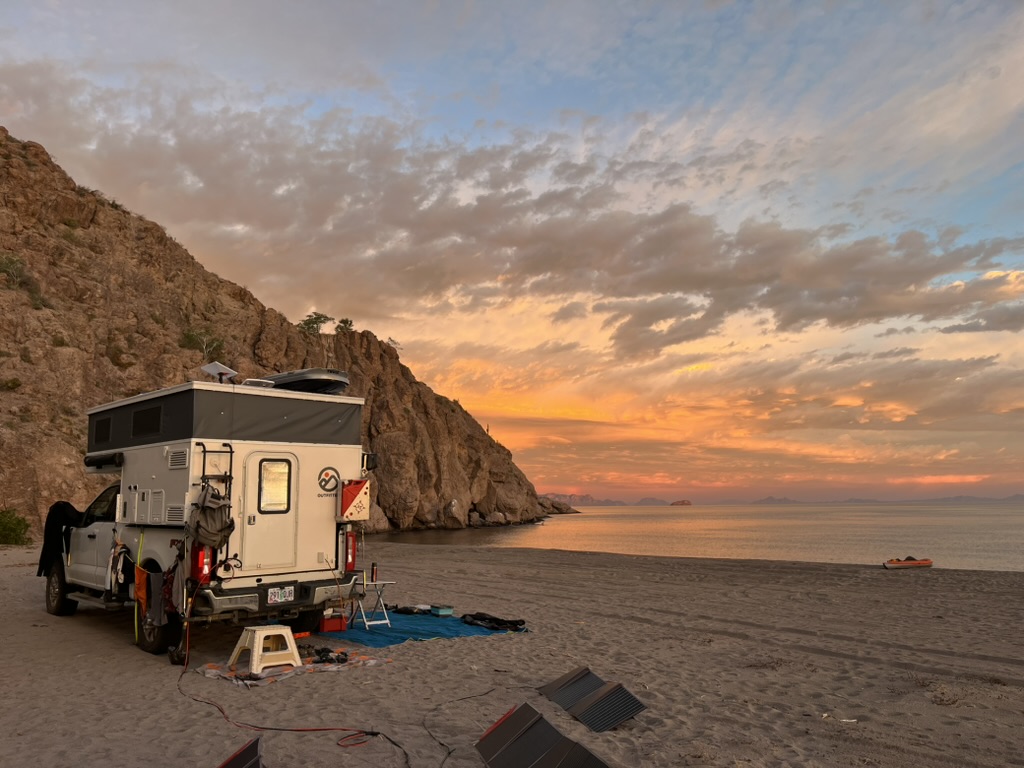
We left our beach camp on another bright Saturday morning, the sun warming us as we packed up. We said our goodbyes to our new friends and made our way back to Mex 1, bumping along the 6 kilometer dirt road for the last time. We drove South along the stunning Bahía Concepción with it’s turquoise waters, white sand beaches, and steep red rock cliffs, stopping to check out a few of the beaches and camp areas on the Southern end. We also stopped in at Nomadico coffee at Playa Coyote where we grabbed iced coffee and chai, and a delicious house-made cardamom chocolate bar.
Exploring Loreto
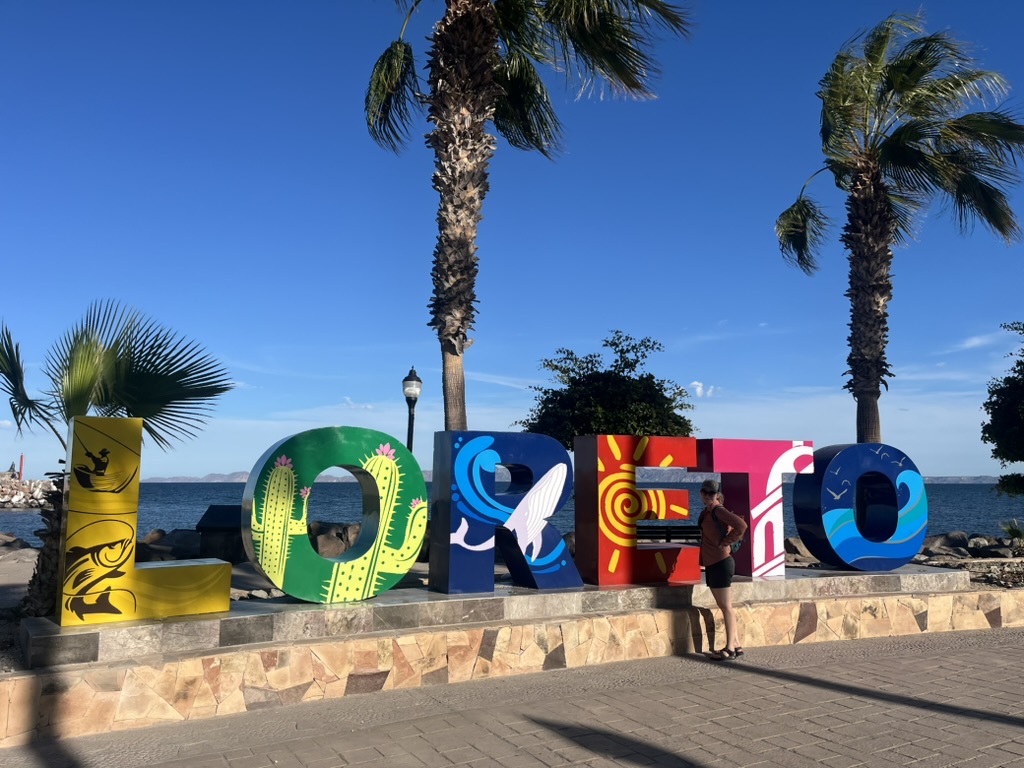
We arrived in Loreto around noon and checked into our camp site at a place called Camp Moro. We chose this place because it was in the center of town, close to the boardwalk, the mission and square, food, etc. and because it was recommended by the fine folks at twohappycampers in their book “The Ultimate Baja Camping Guide”. Loreto was definitely the biggest town we’d been in to this point (population 16,000!) and it was bustling in the center on this Saturday afternoon.
After some lunch we headed out to explore. We stopped in at a little bookstore that had a good selection of books about Baja as well as a smattering of just about every other genre. While two women in a corner gossiped about a colleague, not making any effort to keep volume in check, we talked to a gringo man sitting at a small desk covered in books on the other side of the room. We talked about Baja, Steinbeck, and his 40 year history in the area. He asked us if we were in town for carnaval, to which we gave blank looks and said we had no idea it even was carnaval. With wide eyes, as if to say “you’re in for a treat!”, he told us that there would be a parade that afternoon and then music and dancing all night. And as we would learn, he wasn’t kidding about the “all night” part.
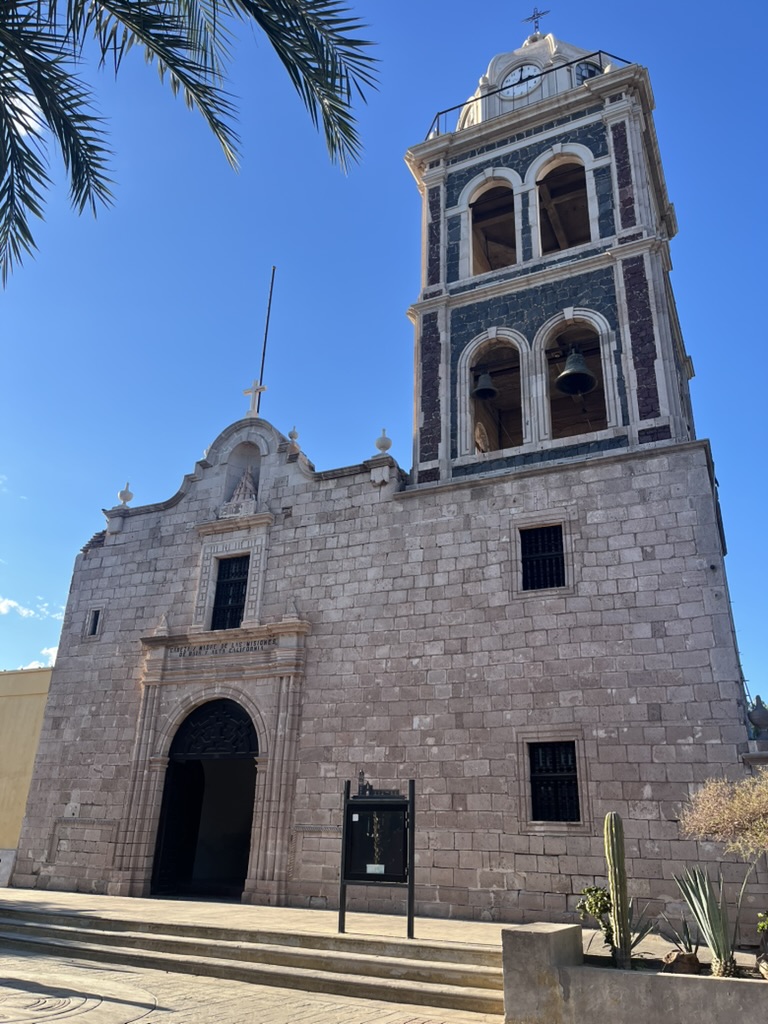
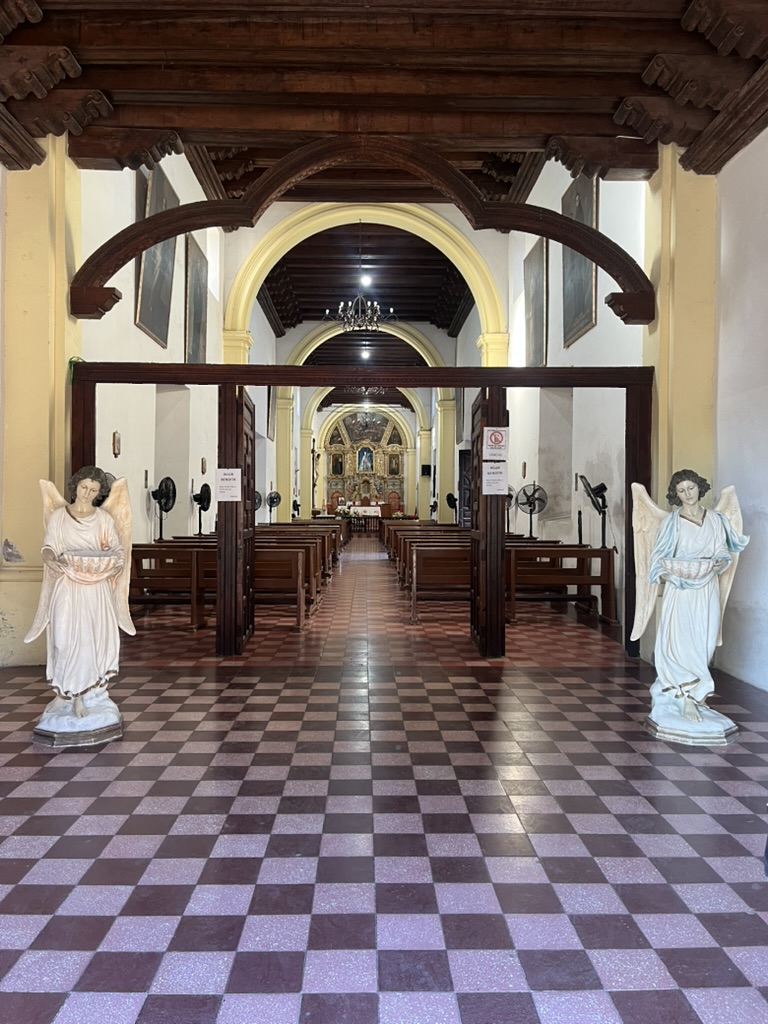
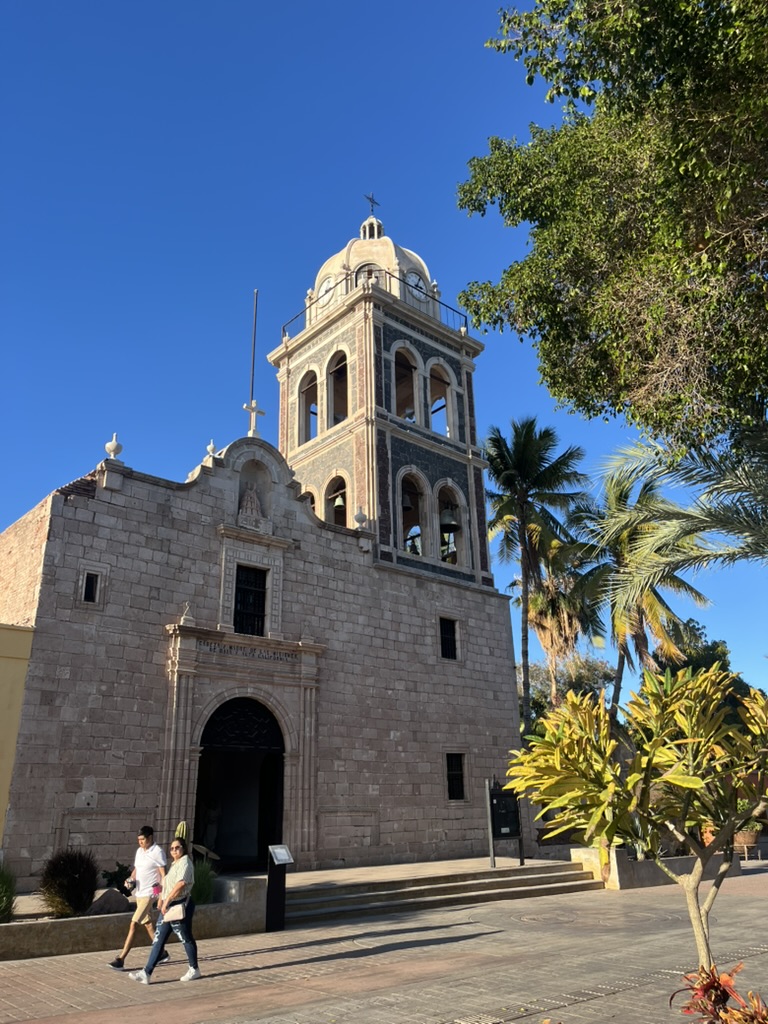
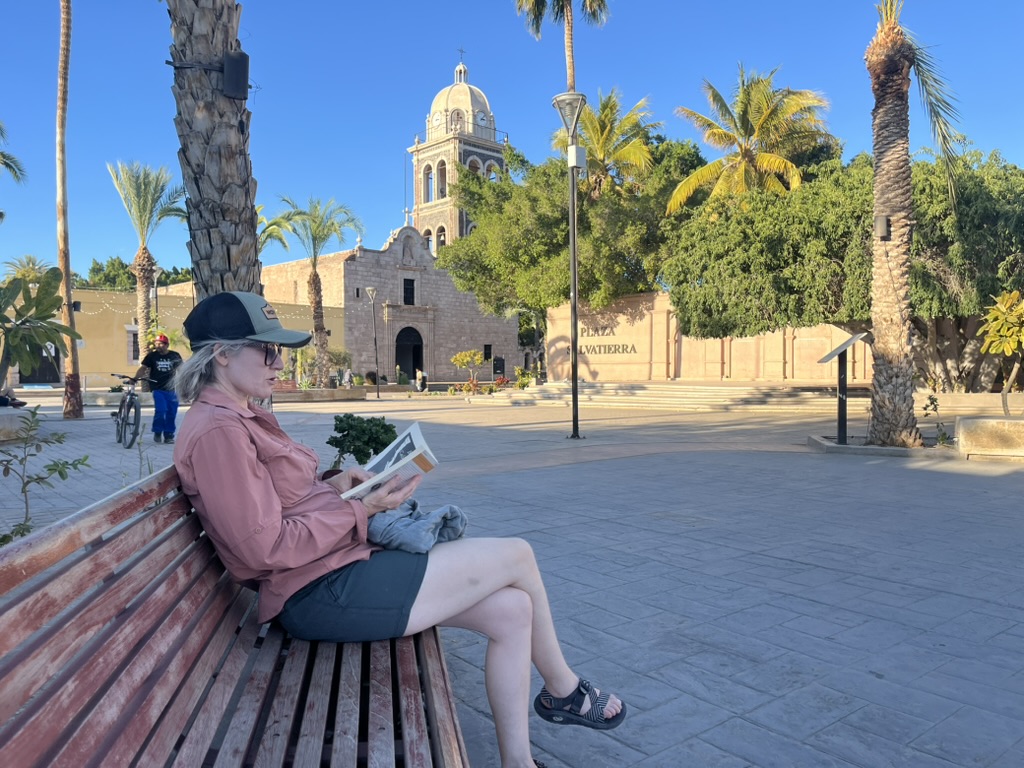
We left the bookstore, Jocelyn with a new book, and walked toward the mission and square. The mission, and Loreto itself, were the first successful Spanish settlements in Baja. Constructed in 1697, it’s a beautiful building accompanied by the typical public square. Loreto was the capital of the Province of the Californias, which included Baja and much of what is now the Southwestern United States, until 1777.
The Carnaval Celebration
From the square, we strolled down the pedestrian avenue that goes out in either direction. Lined with shops, boutiques, restaurants, and plenty of shade trees, it’s a delightful thoroughfare. As we approached the end of the street, we saw a crowd forming and quickly discerned they were there to watch the carnaval parade.
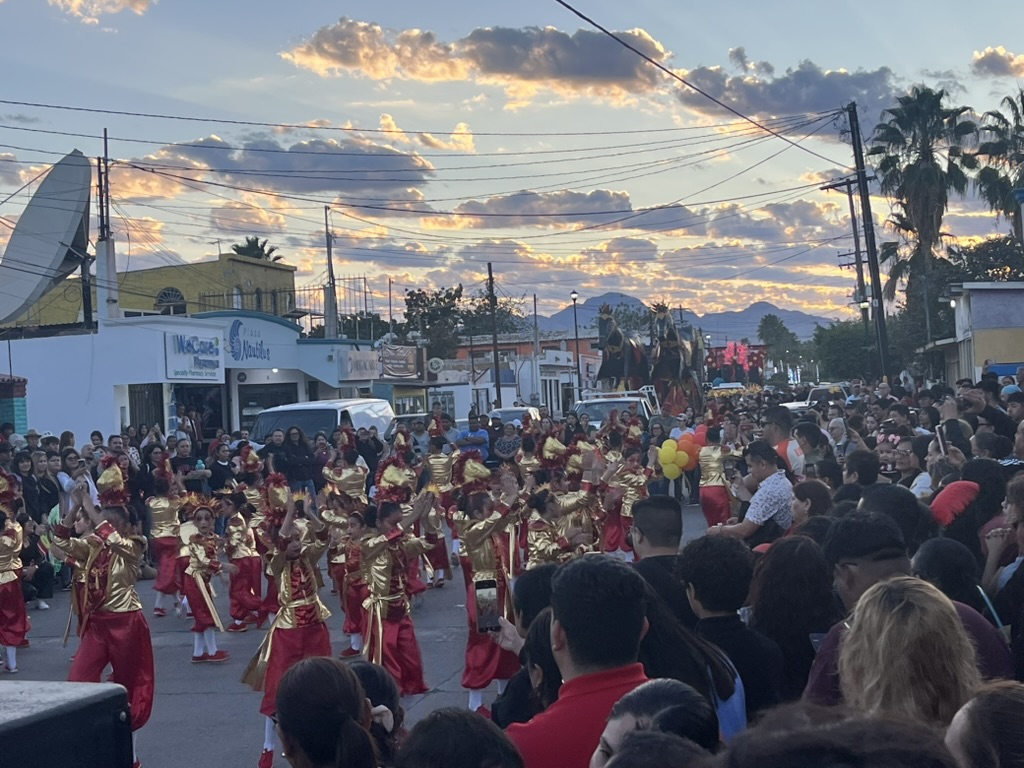
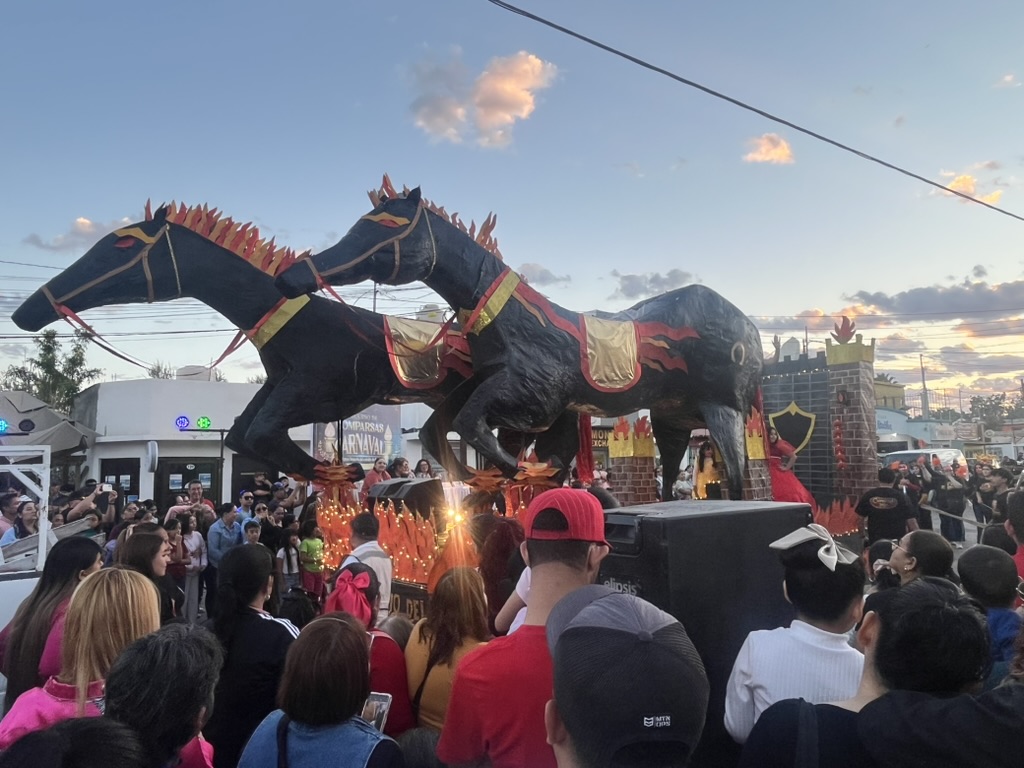
The festivities started with a samba group that performed in the middle of the street. Drum beats reverberating off the buildings, a feathered dancer strutting to the beat, a stilt walker with a tambourine, and an acrobat doing back flips. The parade continued, featuring brightly decorated floats and dance troupes all in the theme of the Chinese Year of the Fire Horse. It was a boisterous, colorful, and sometimes literally fiery, display.
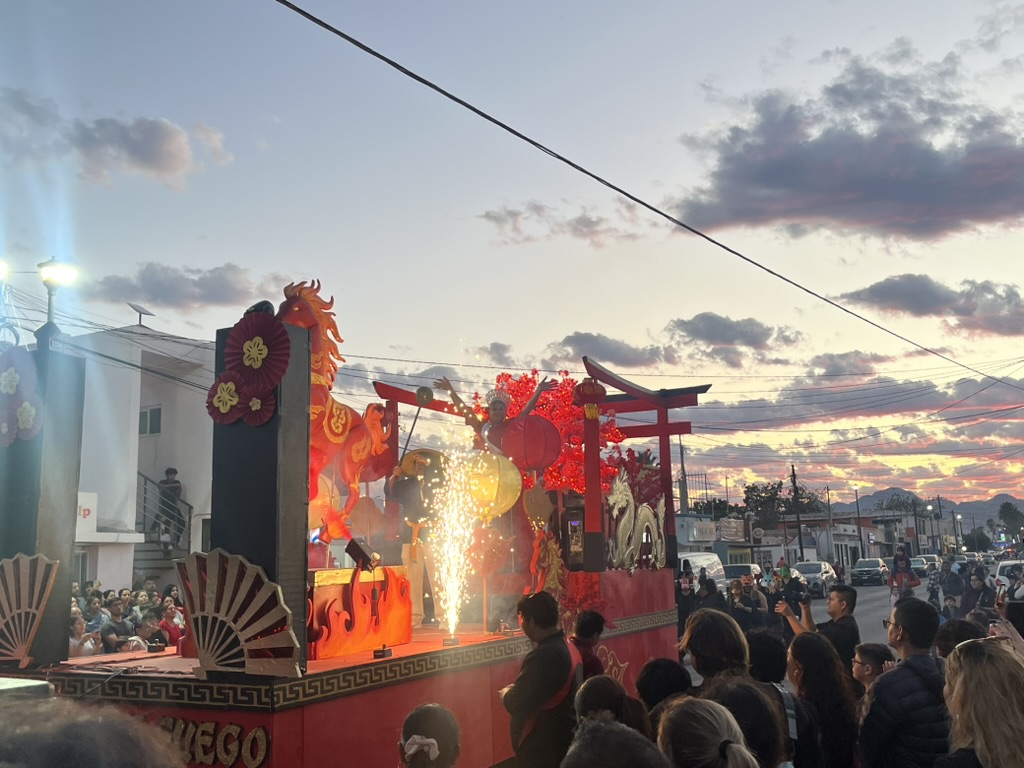
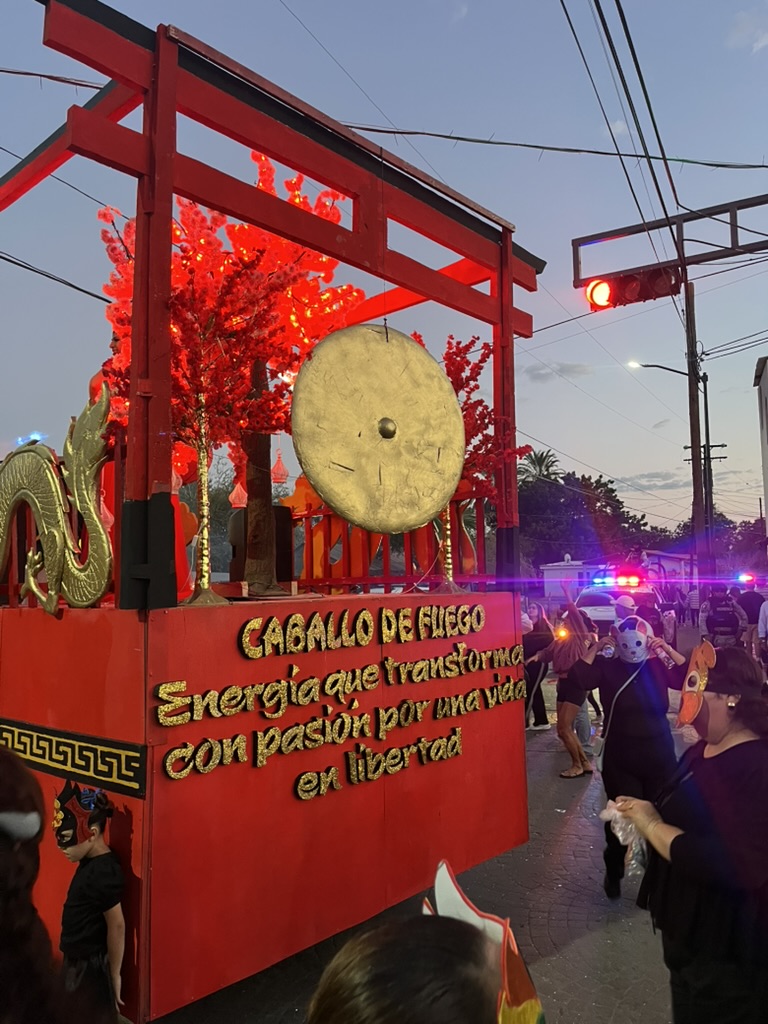
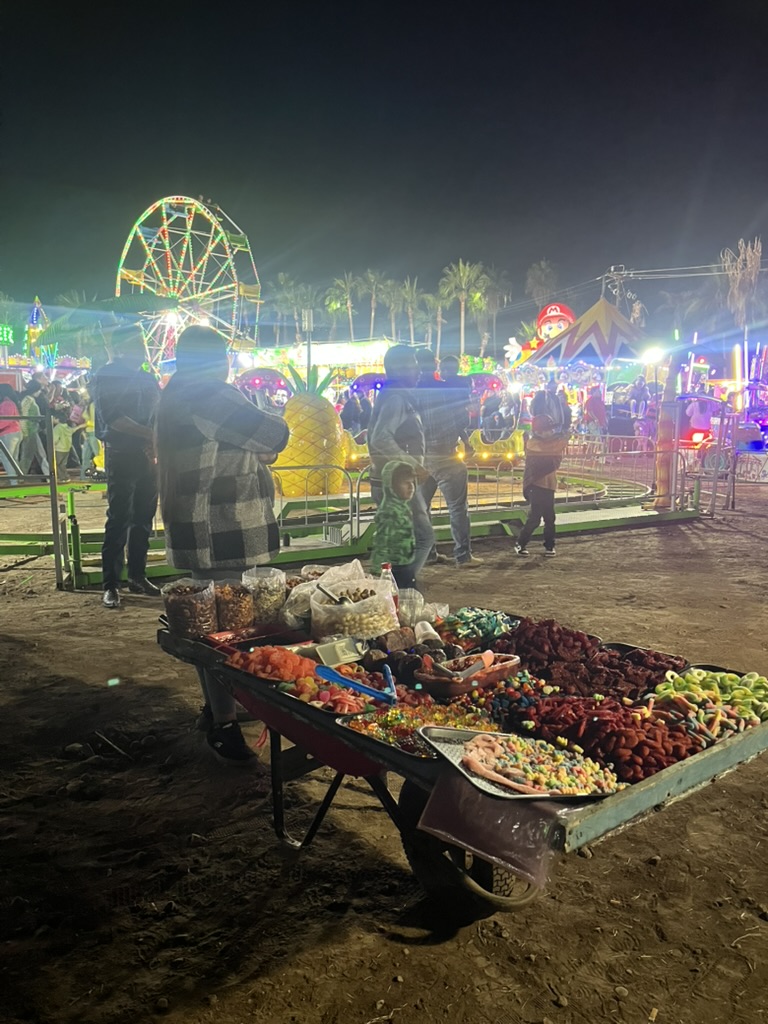
After the parade, we attempted to go to a taco shop called Tacos Nany that our friend’s Brian and Christina had recommended, but unfortunately it was already closed. As we were walking we saw the area where the carnaval celebration would continue, complete with brightly lit carnival rides, and what we assumed would be plenty of food. We walked through the other large public square where the city hall is located and came across an elote cart. We’d heard about the life changing qualities of this particular corn based street food and decided to give it a go. We tried the variety known as “Tostielotes”. The dish starts out with a bag of Salsa Verde Tostidos, which seems to only be available here in Mexico. These chips by themselves are delicious. They are flavored tortilla chips like Doritos or similar, but with a salty, tangy, citrusy twist to them. They start by cutting the top off of the bag lengthwise. Then, they put a large spoonfull of hot, seasoned sweet corn on top. That is followed by cheese, heavy cream, hot salsa, and finally some salsa fresca. It is an explosion of rich, creamy, deliciousness and it was a great start to our culinary adventures for the evening.
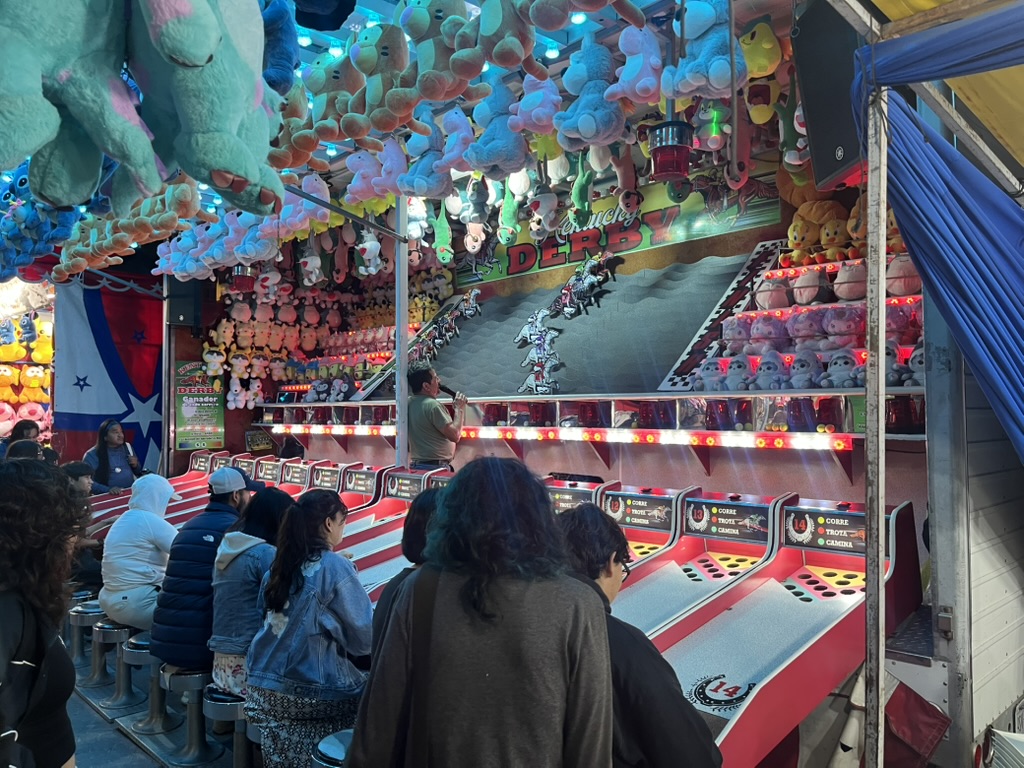
We headed to the festival grounds and went in. It was very much like what you might see at an American carnival with rides, games, and food, but with a Mexican twist of course. Churros instead of funnel cake for instance. There were however similarities like cotton candy and corn dogs. We started off with a “super burro”, which was more or less a burrito but freshly prepared on a grill top in front of us. We continued with a “vampiro taco”, which is a toasted, crunchy corn tortilla topped with melted cheese and beans. Jocelyn tried a dish called “papas mixta”, which was mashed potato with meat and melted cheese served with tortillas. After all that on top of the tostielotes, we didn’t have room for churros unfortunately.
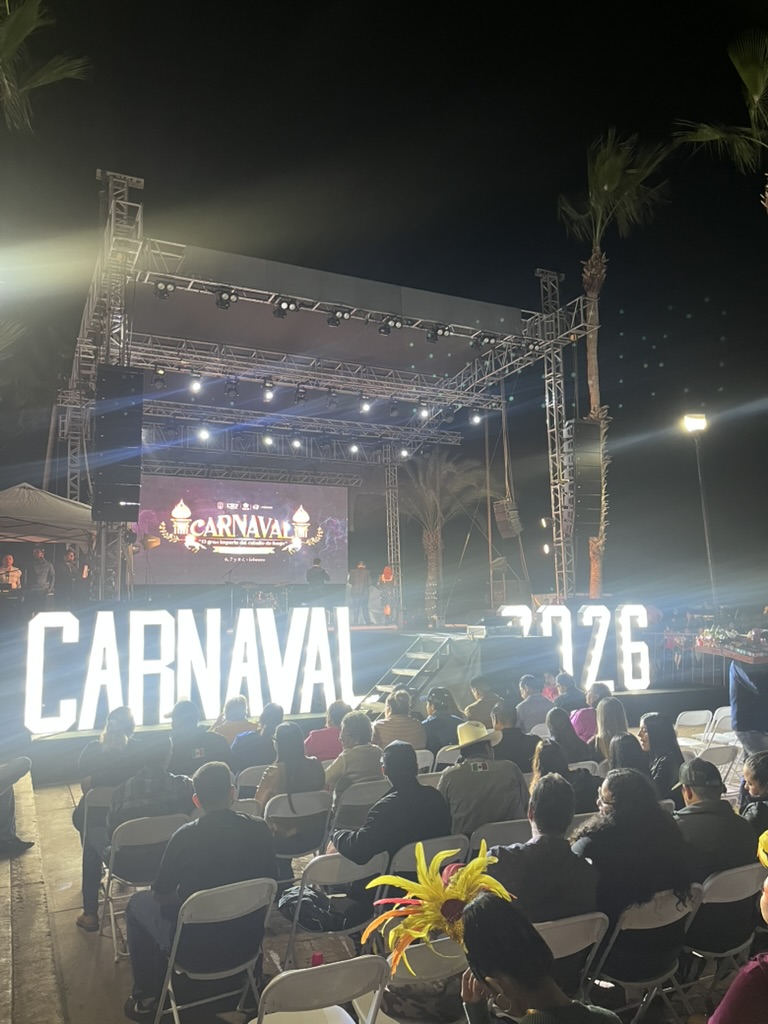
The main stage featured 3 MCs who were enthusiastically introducing more dance routines and welcoming the Carnavel Court; king, queen, princesses, etc. There were all kinds of people there from families with kids to groups of young men who had carried their own coolers full of Tecate in, as well as the ever present assault rifle carrying military police. By the time we left around 10 PM, the headliner music act had not even started and many people were just showing up. It seemed like things were maybe just getting started. We went back to the camper, full of good food and memories, put in our earplugs, and went to sleep. At one point I woke up and heard the music still going. Glancing at my watch, it was 3:30 am! All night indeed. It was so great stumble into this cultural experience and incredible party. Another example of the serendipitous wonders we’ve experienced here without even really trying and just letting things happen. And boy, do they happen.
Six Magical Days
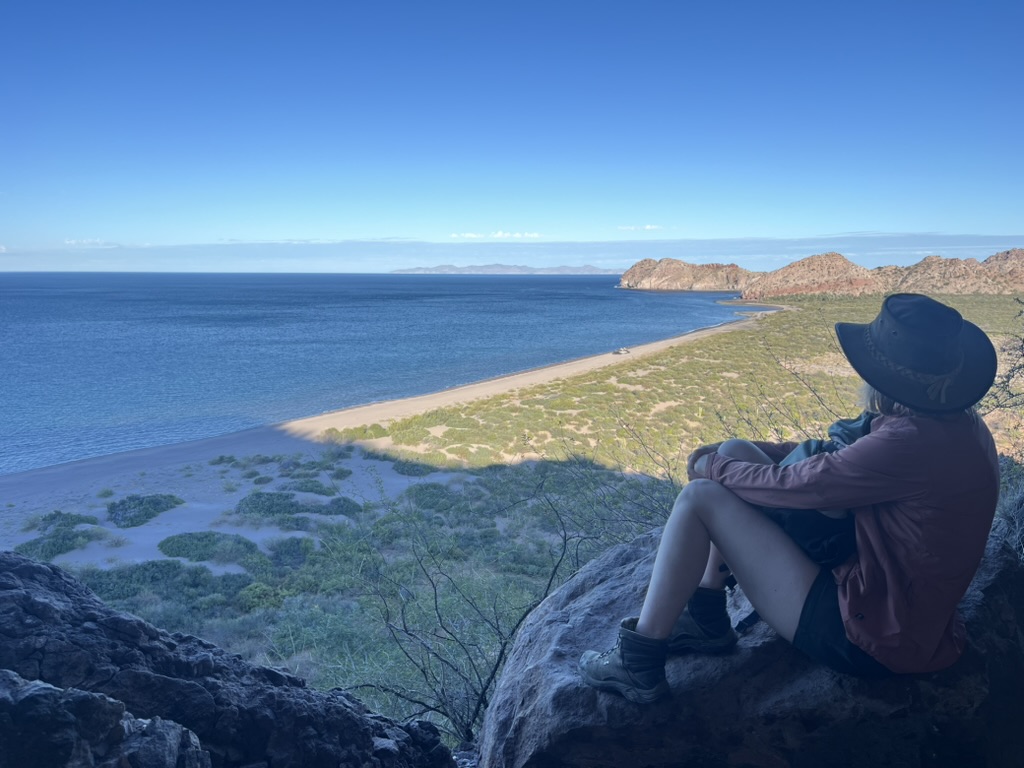
On Sunday we continued South turning off of Highway 1 in the mountains after it starts going West. I’m going to be purposely obscure about the exact location of this next leg. I’m sure anyone who can do a little bit of research can figure it out easily enough. It’s far from unknown, but given the remote nature of this place and some of the impact I know increased tourism has had on it, I think I have a responsibility to not make it too easy. It’s not a desire to gate keep or keep others away, but just to be respectful of the Mexican people and these unique and fragile landscapes. Part of the fun and adventure of this kind of travel is in finding off-the-beaten-track locations and I think that people who put in a little work to find places might be a little more respectful of those places. With that said, the beach we spent the week at was by far my favorite of the entire trip.
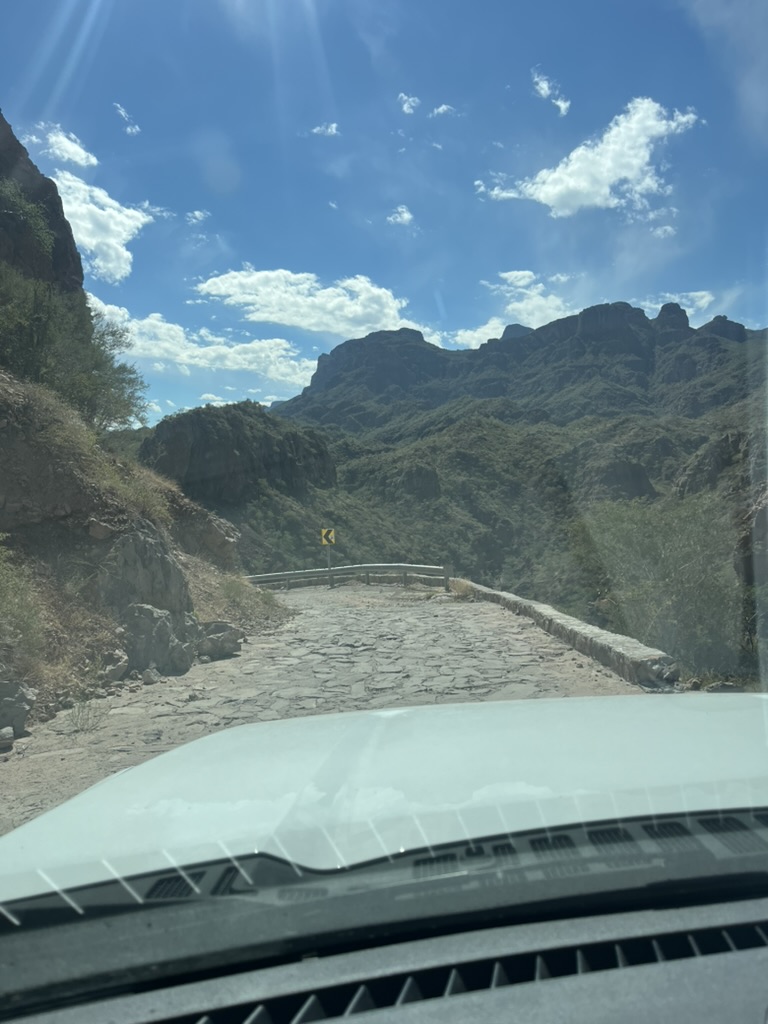
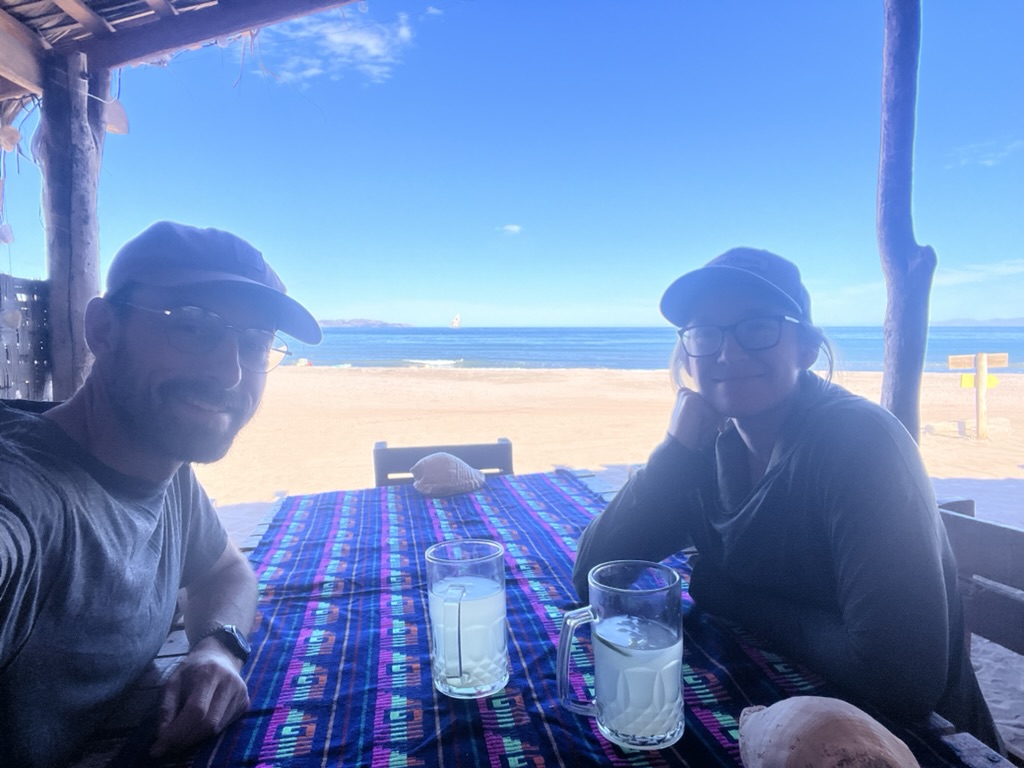
The road in was rough, steep, and narrow, with extremely sharp switchbacks in places. The views as we wound our way through the steep mountains and down to the coast were breathtaking however. Deep blue water against the pastel creams, reds, and greens of the beach and mountains. Small islands and coves along the coastline. Before going to a campsite we had our eyes on, we stopped for tacos at a beachfront restaurant in a tiny nearby fishing village. The place had only three walls and a thatched roof, open to the beach on the fourth side. The tacos, as usual, were amazing, as was the view.
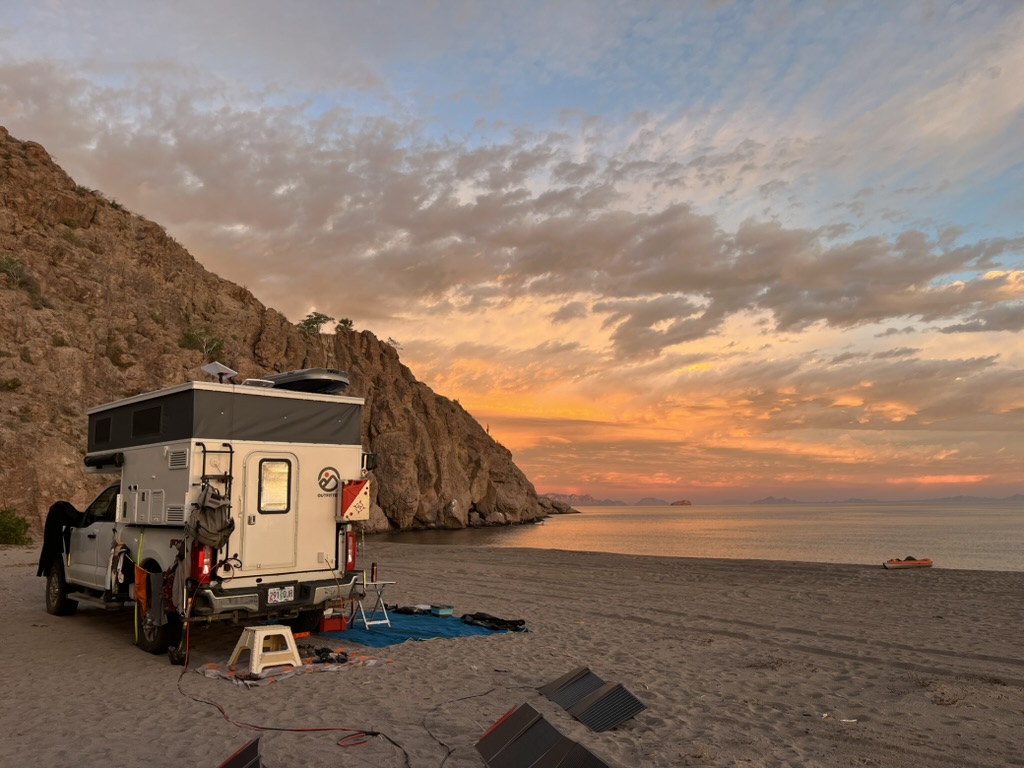
After our fill of tacos, we made our way to the camp spot we had our eye on. We cut a few overhanging branches on the access road to make it easier and just before the beach, we hit a steep dune with deep loose sand we had to get over. It took us a couple tries with aired down tires, 4×4, and locked rear differential to get the momentum to make it up and over. Once we did however, we were rewarded with an empty beach and a beautiful camp spot nestled up against the cliffs.
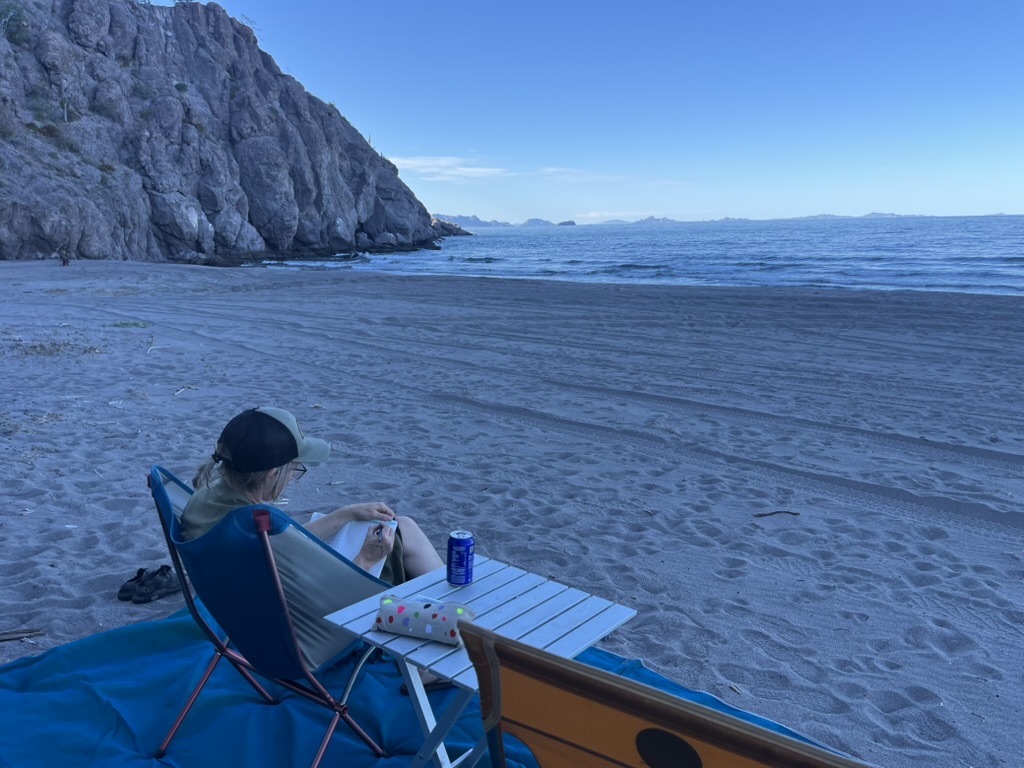
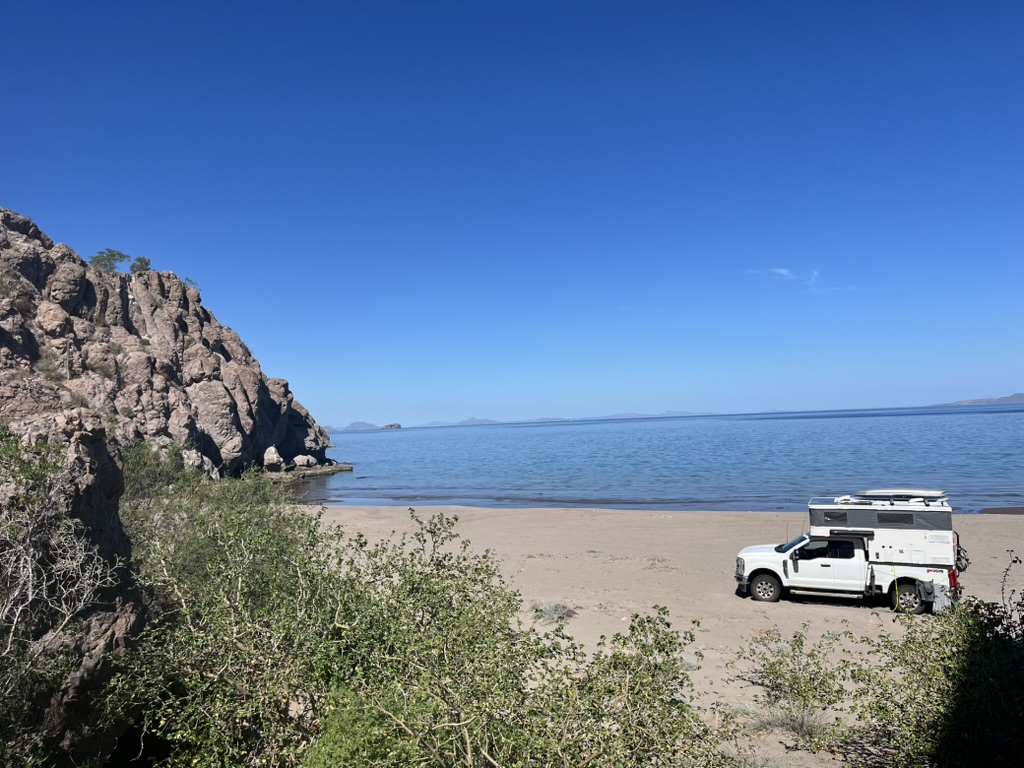
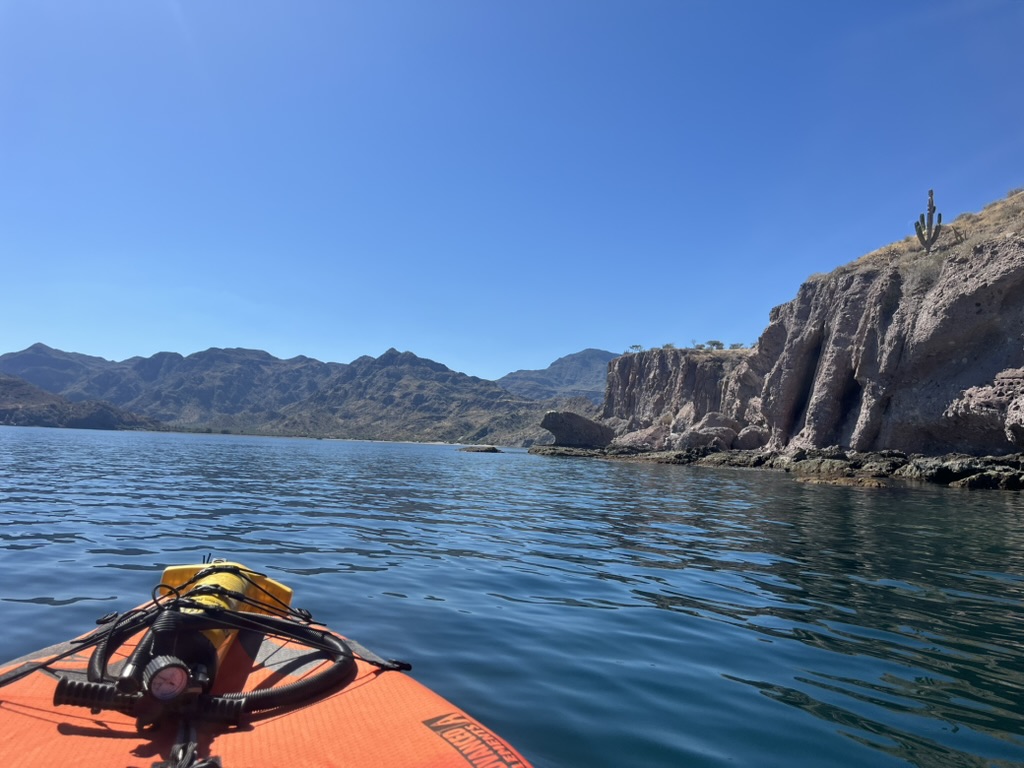
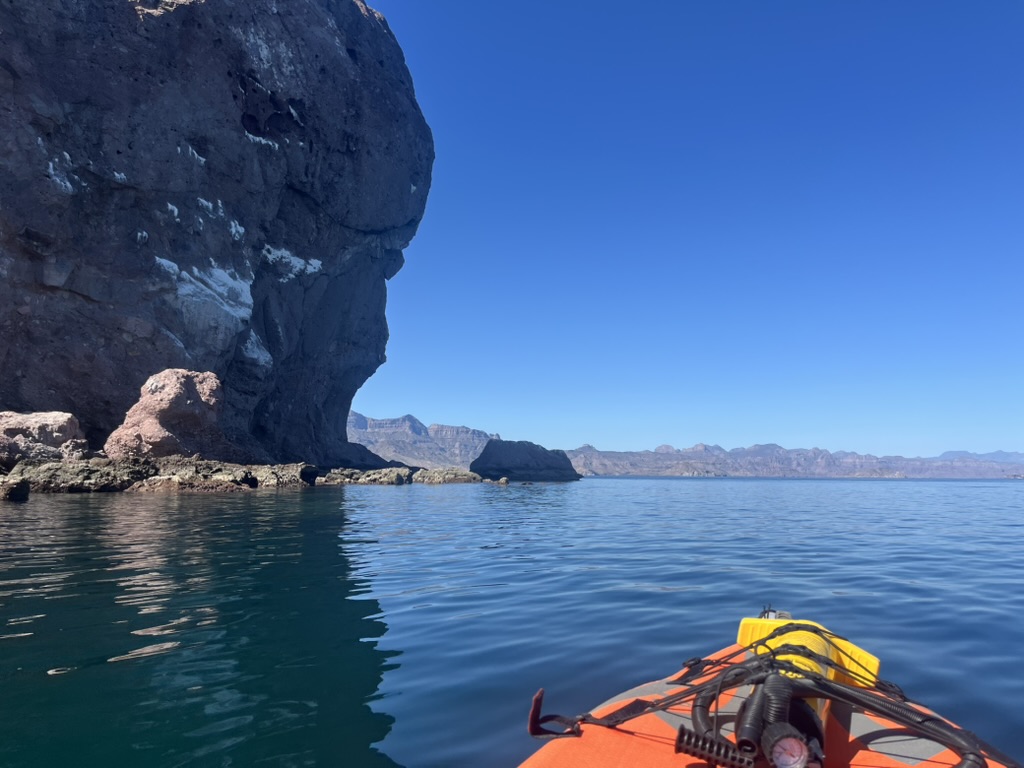
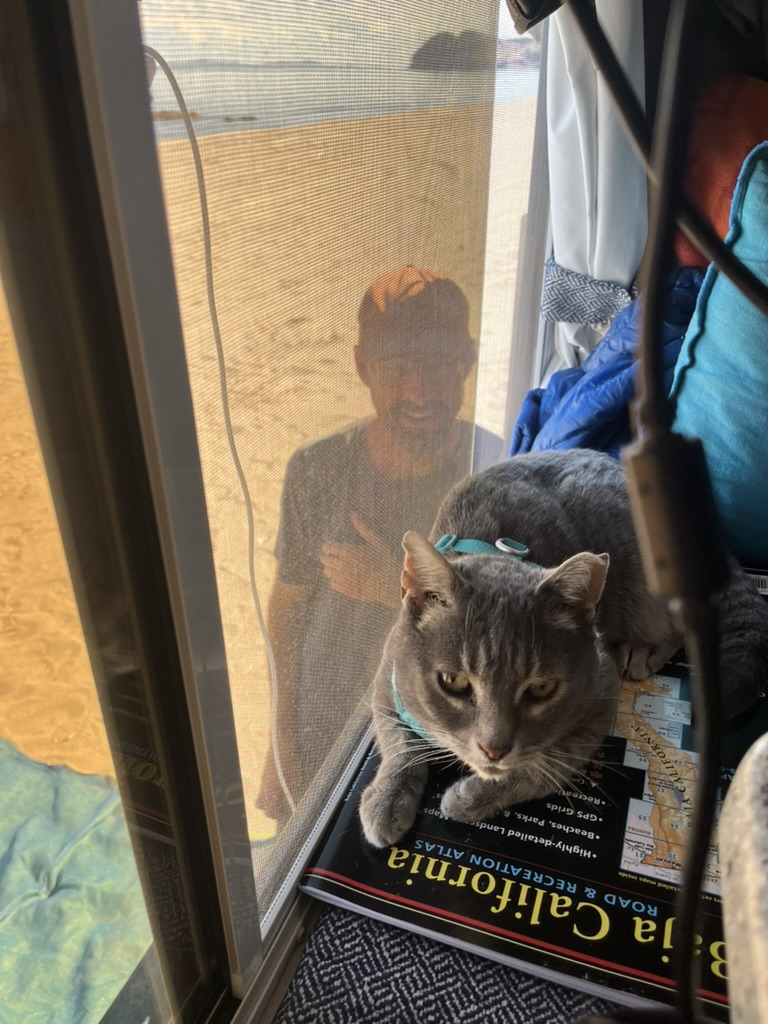
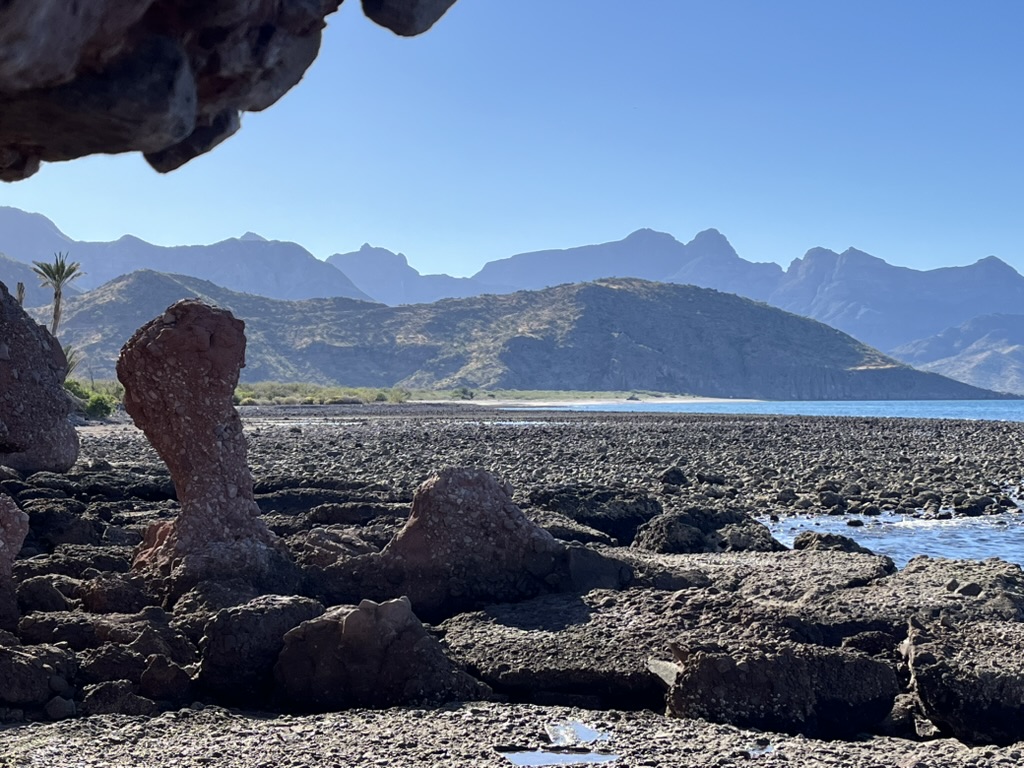
We spent 6 magical days at this spot. We saw humpback whales out in the cove two days in a row. I paddled around exploring small offshore islands where I saw a school of rooster fish breaking the surface with their long, spiky dorsal fins, and steep coastline with caves, interesting rock formations, and flocks of black cormorants making their strange grunting call as I slid past in the glassy water.
There was excellent snorkeling offshore where I saw all kinds of beautiful reef fish. There was the black and yellow striped Panamic Sergeant Mayor, The black Angel Fish with it’s single brilliant orange vertical stripe. The strange and aptly named Cornet Fish, which looks like a slender, silver tube with a nose that looks like the bell of a trumpet. Puffer fish with their bulging eyes that can move much faster than their bulbous bodies and tiny fins look like they should enable. The black Damselfish, with it’s feathery forked tail, and Yellowtail Jack with it’s silver body and contrasting bright yellow, forked tail. Such abundance and diversity of life even in just this one small patch of rocky coastline.
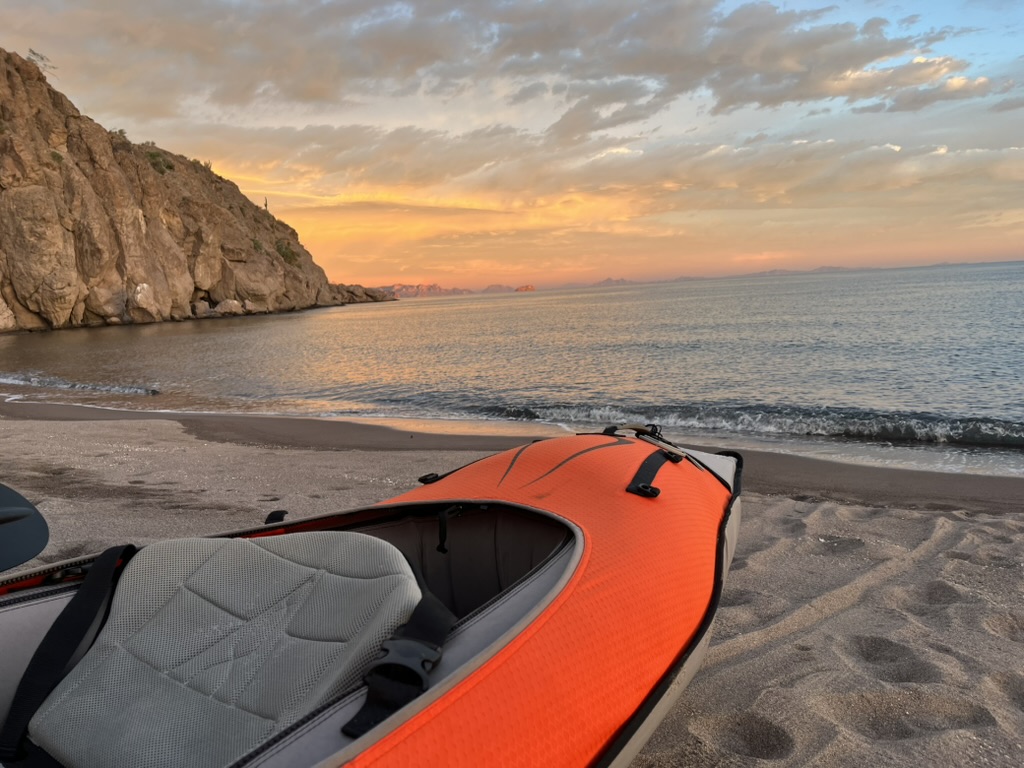
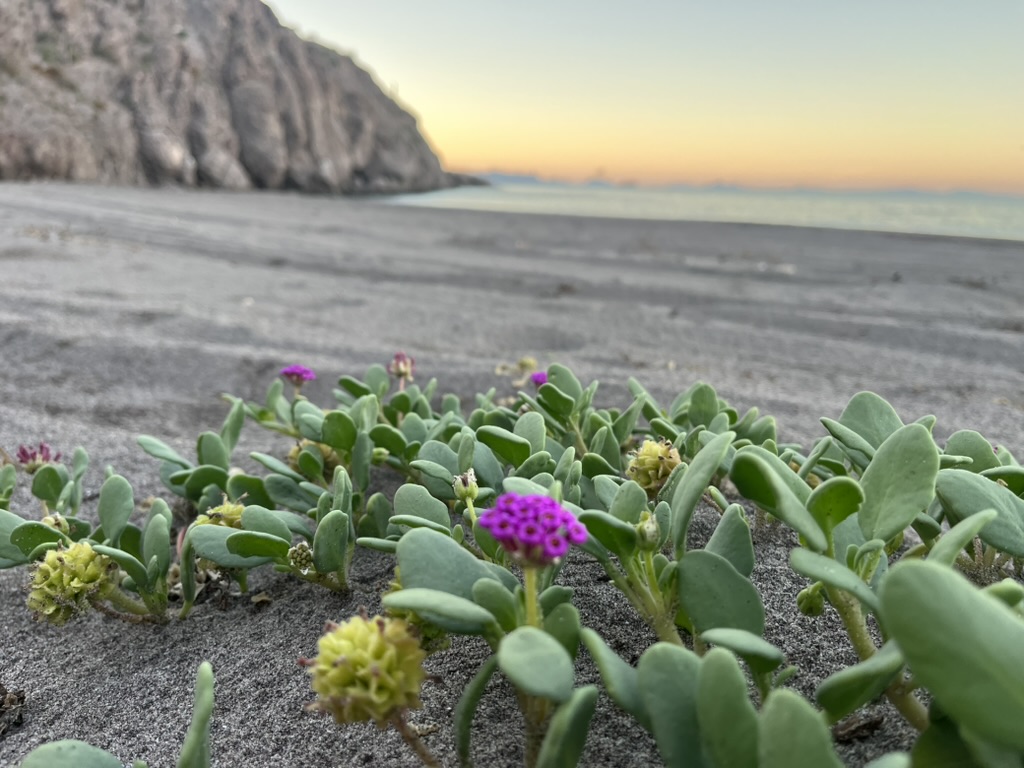
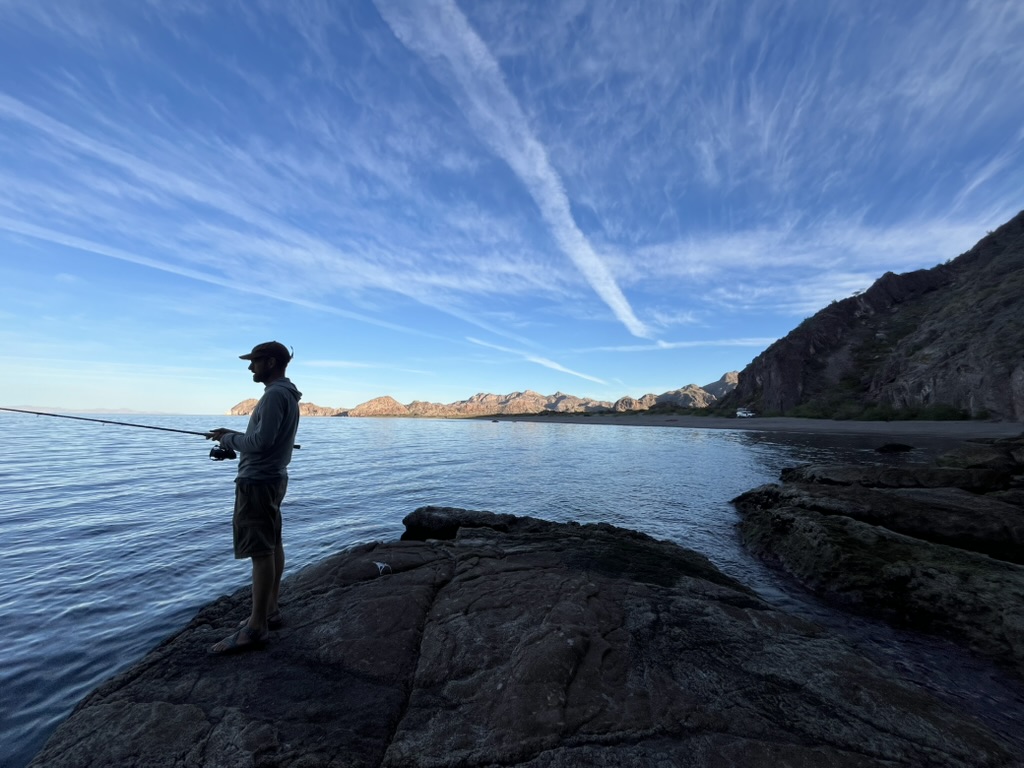
Each morning greeted us with a splendid sunrise over the water and cliffs to the East, accompanied by the gentle swishing of the waves against the sandy shore. Monday afternoon there was a raucous thunderstorm; bone-shaking booms and lightning bolts that lit the sky over the water. Just after the storm, the smell of ozone and petrichor still hanging in the air, I caught what was likely my last fish of the trip, a beautiful Cabrilla that made our own delicious tacos for dinner that night. The next day I lost the magic Krocodile spoon that I had caught every fish of this trip with on the rocks and none of the others lures I had seemed to work, at least here. All good things come to an end I suppose and it keeps me humble. I had a better experience shore fishing in Baja than I ever expected I would, especially for my first time here. I’ll definitely be bringing more Krocodiles with me next time.
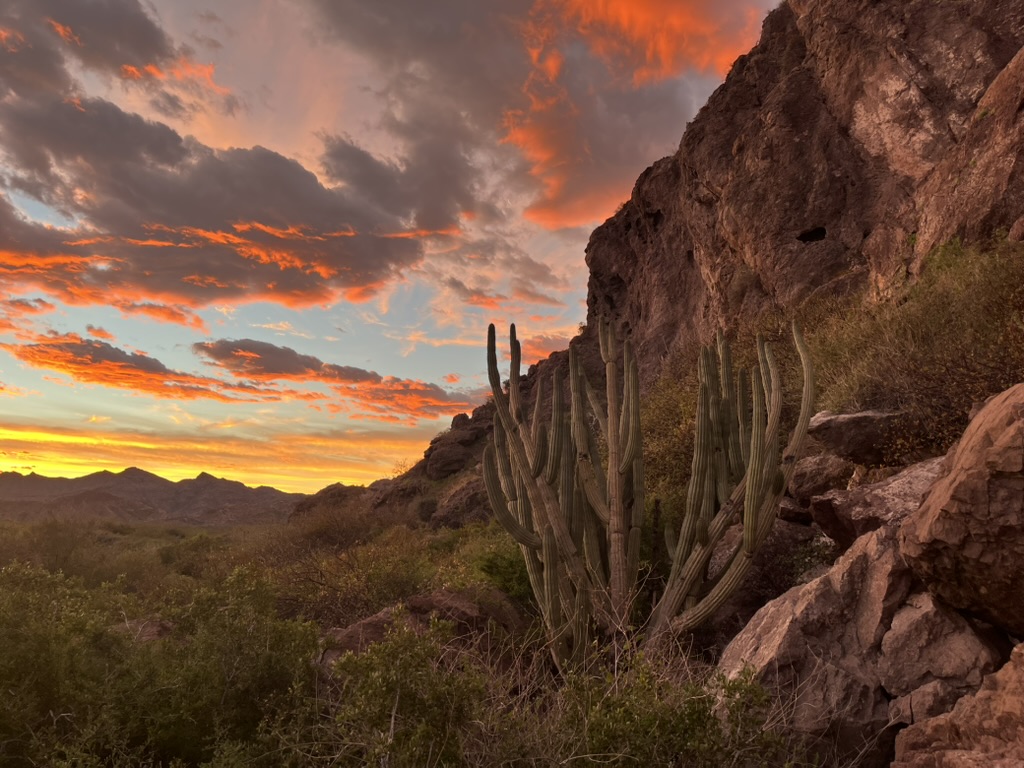
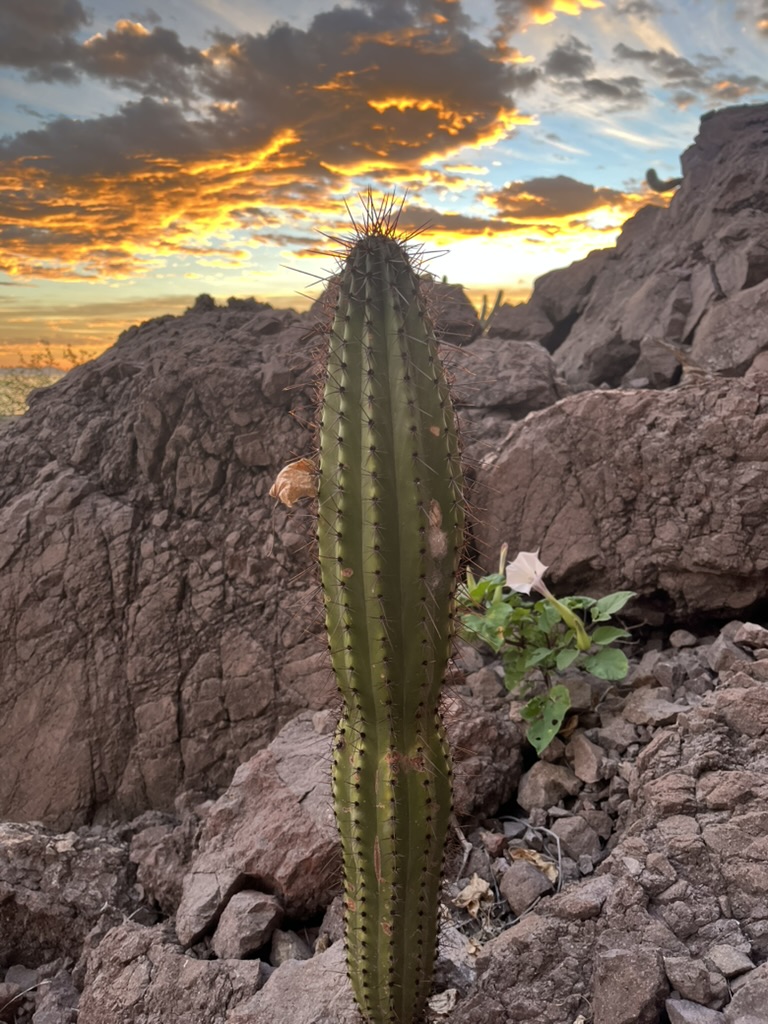
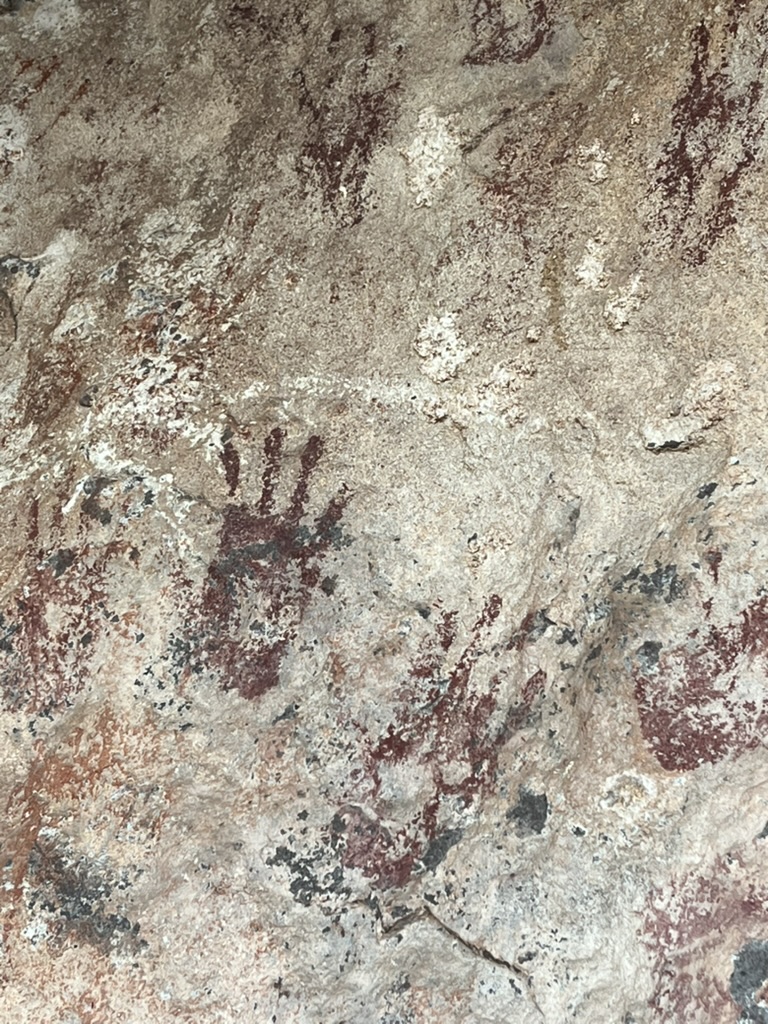
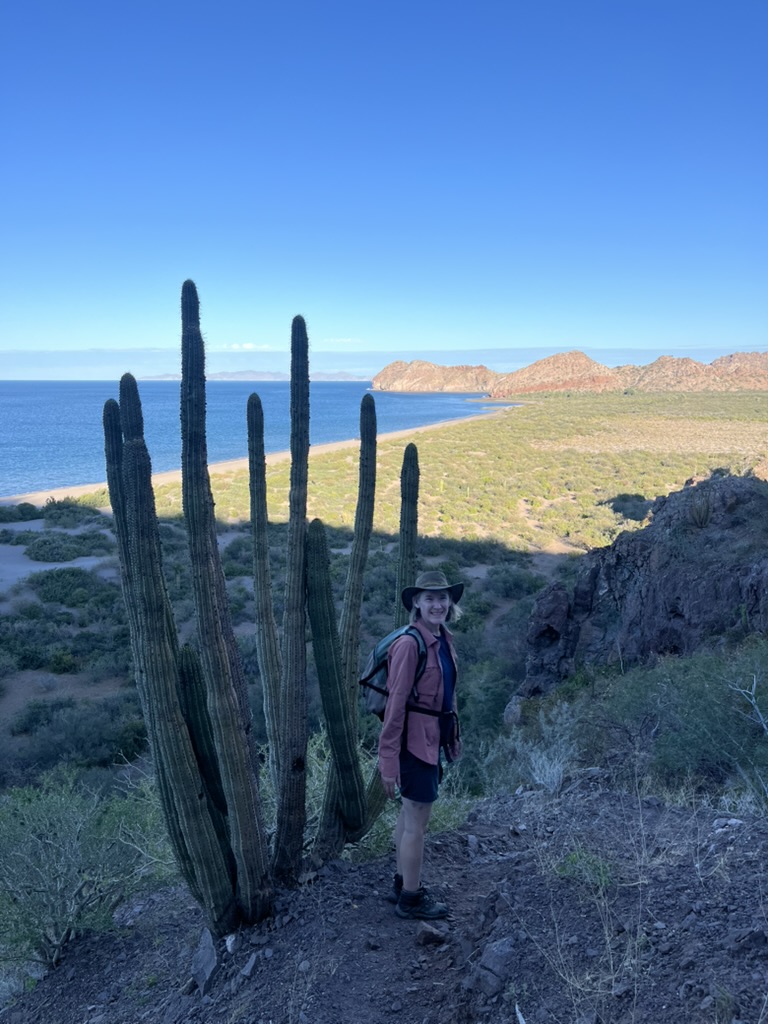
On our final Friday afternoon, we hiked up to a large cave up above our camp that we heard had some poictographs. It was a fairly short hike, but required some scrambling on steep, loose rock. The cave was a large two-room affair and the pictographs consisted of a dozen or so red handprints at the entrance. While the handprint pictographs might not be the most artistically interesting, they always give me the most feeling of connection to the people who made them. These were people, like me in so many ways, but so different in so many others. I can’t help but wonder what their lives were like here on this coastline where I’ve lived for the last 6 days, and what was going through their minds as they stood here and made these handprints hundreds or maybe even thousands of years ago.
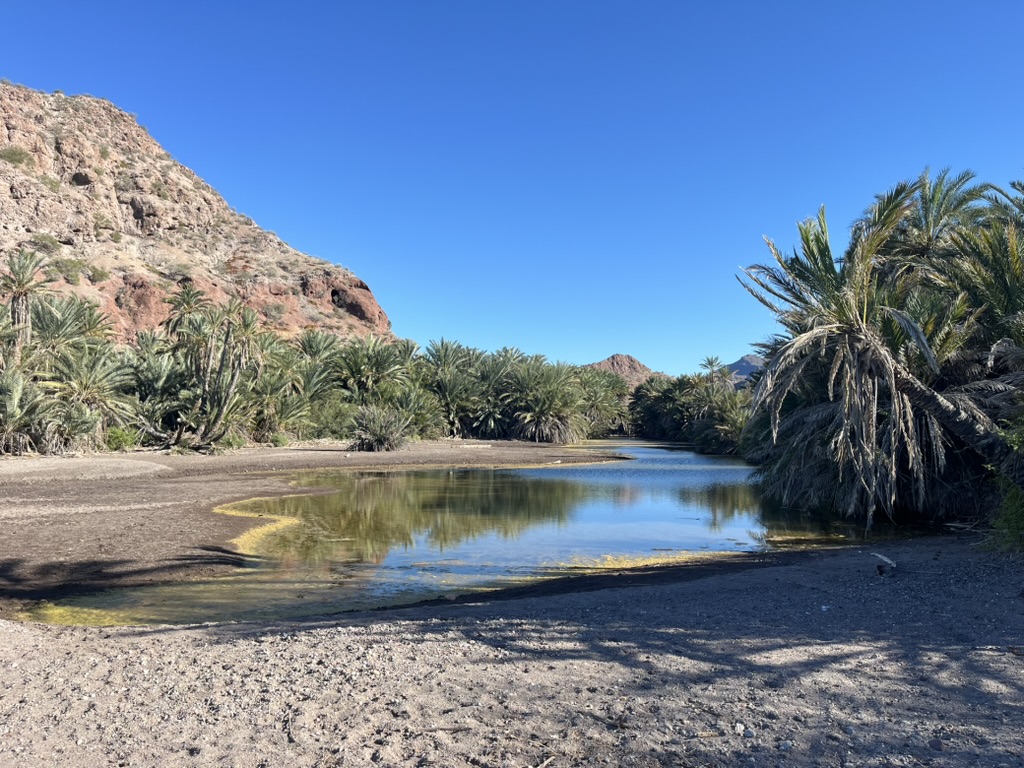
This was as far South as we’ll get on this trip and now we start the long journey back North. It was another incredible week in Baja and I’ll be longing for tostielotes and this beach until we return next year. Thanks for reading!
 The Crooked Trail
Leave a comment